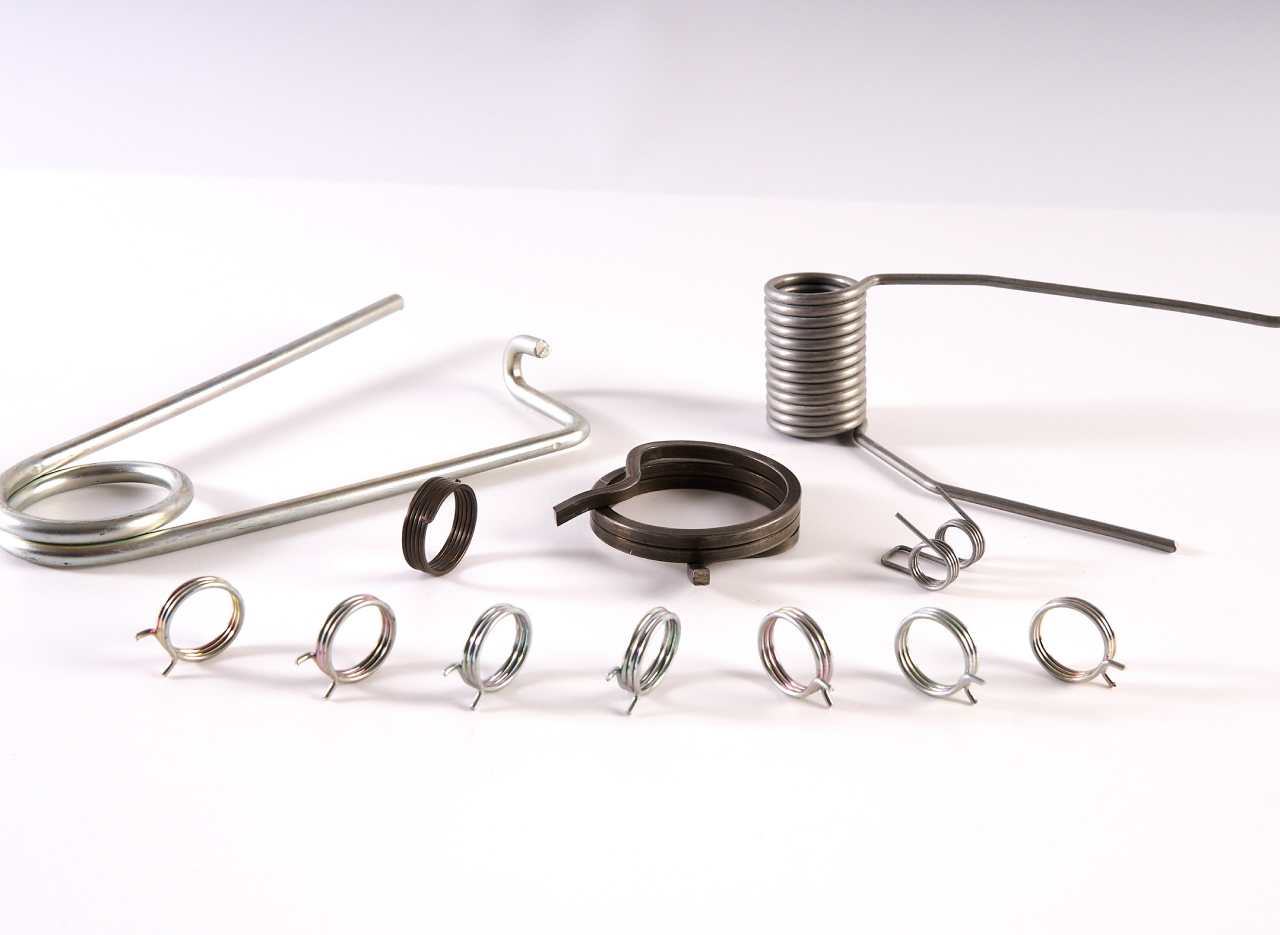
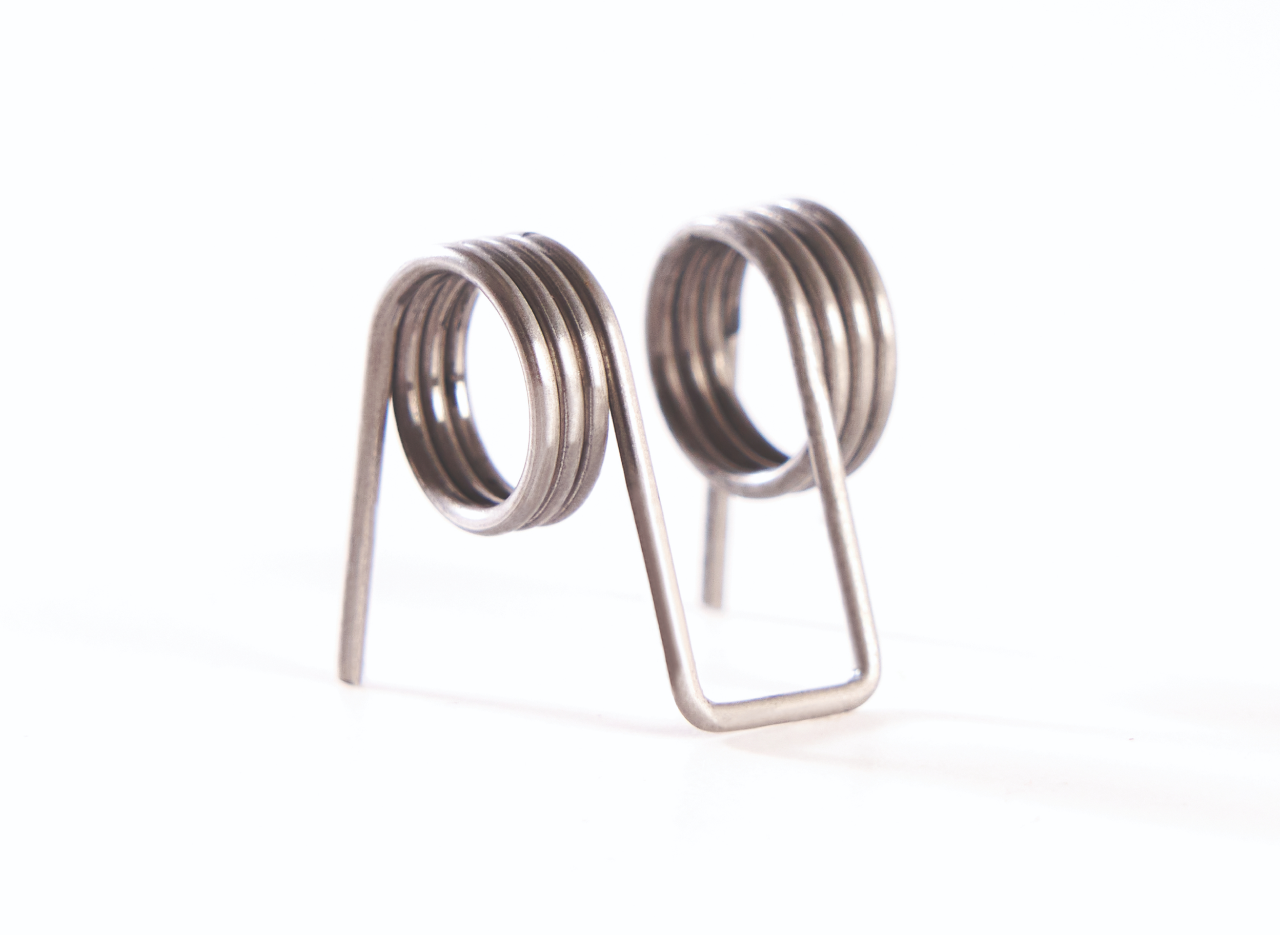
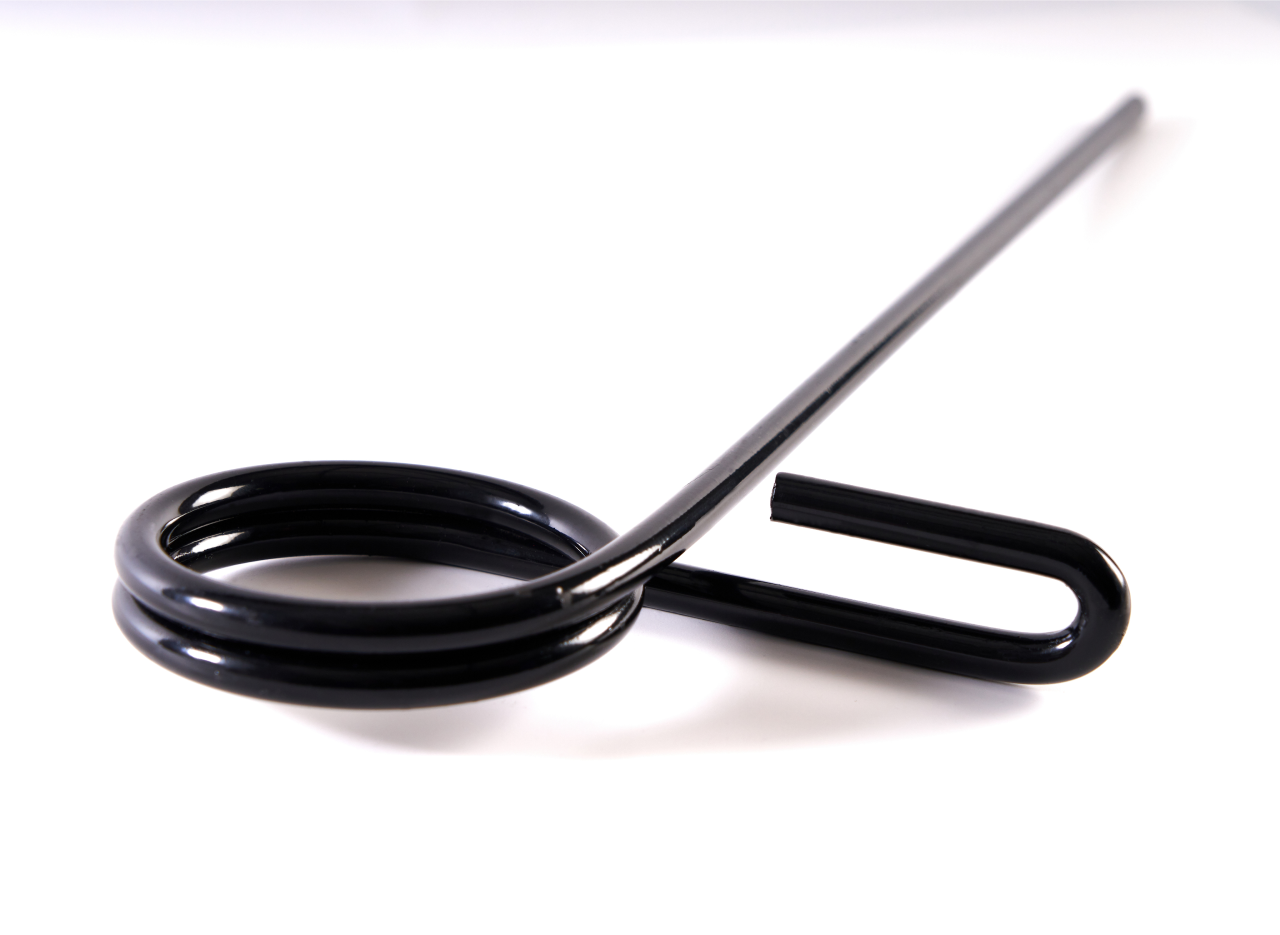
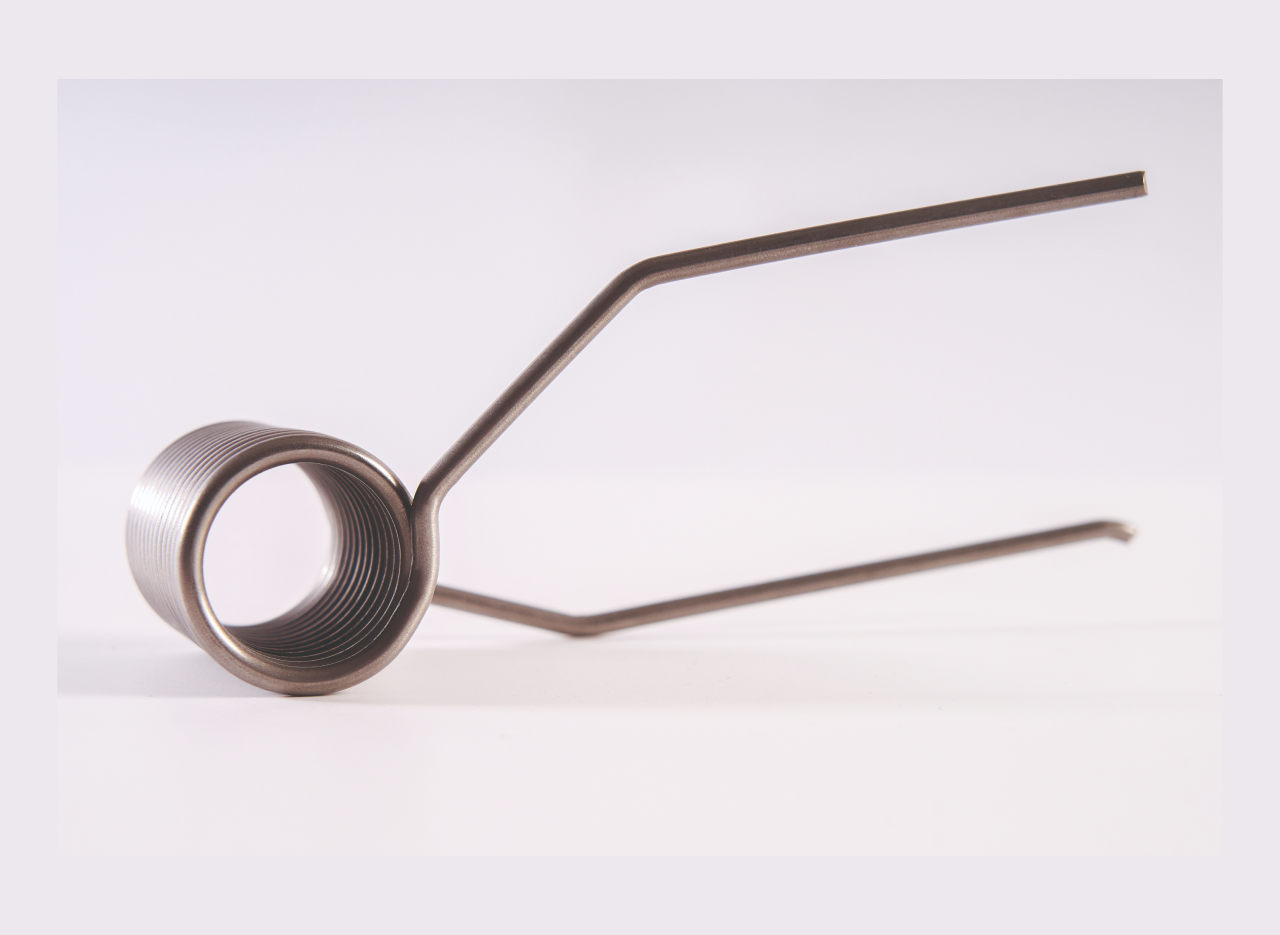
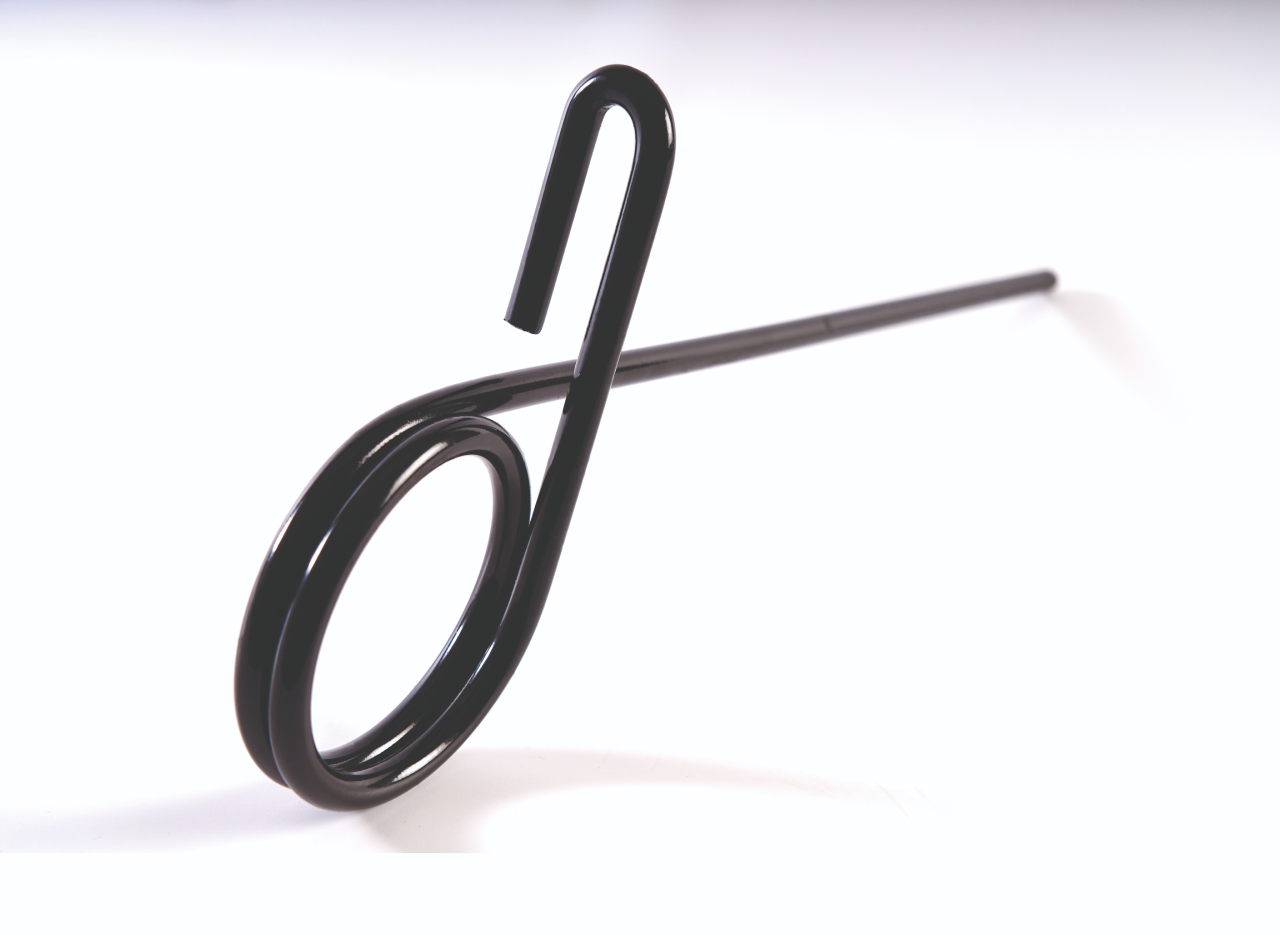
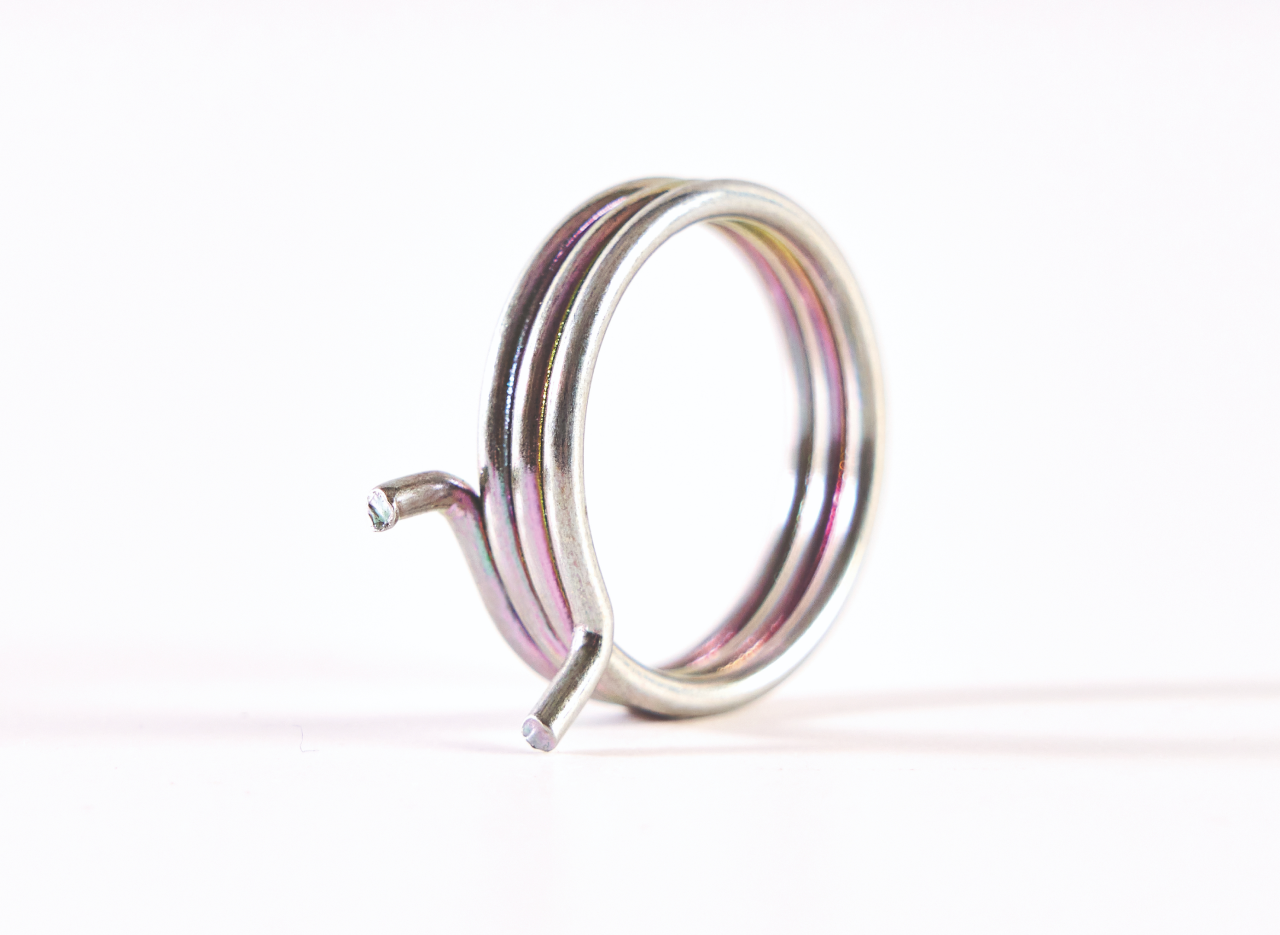
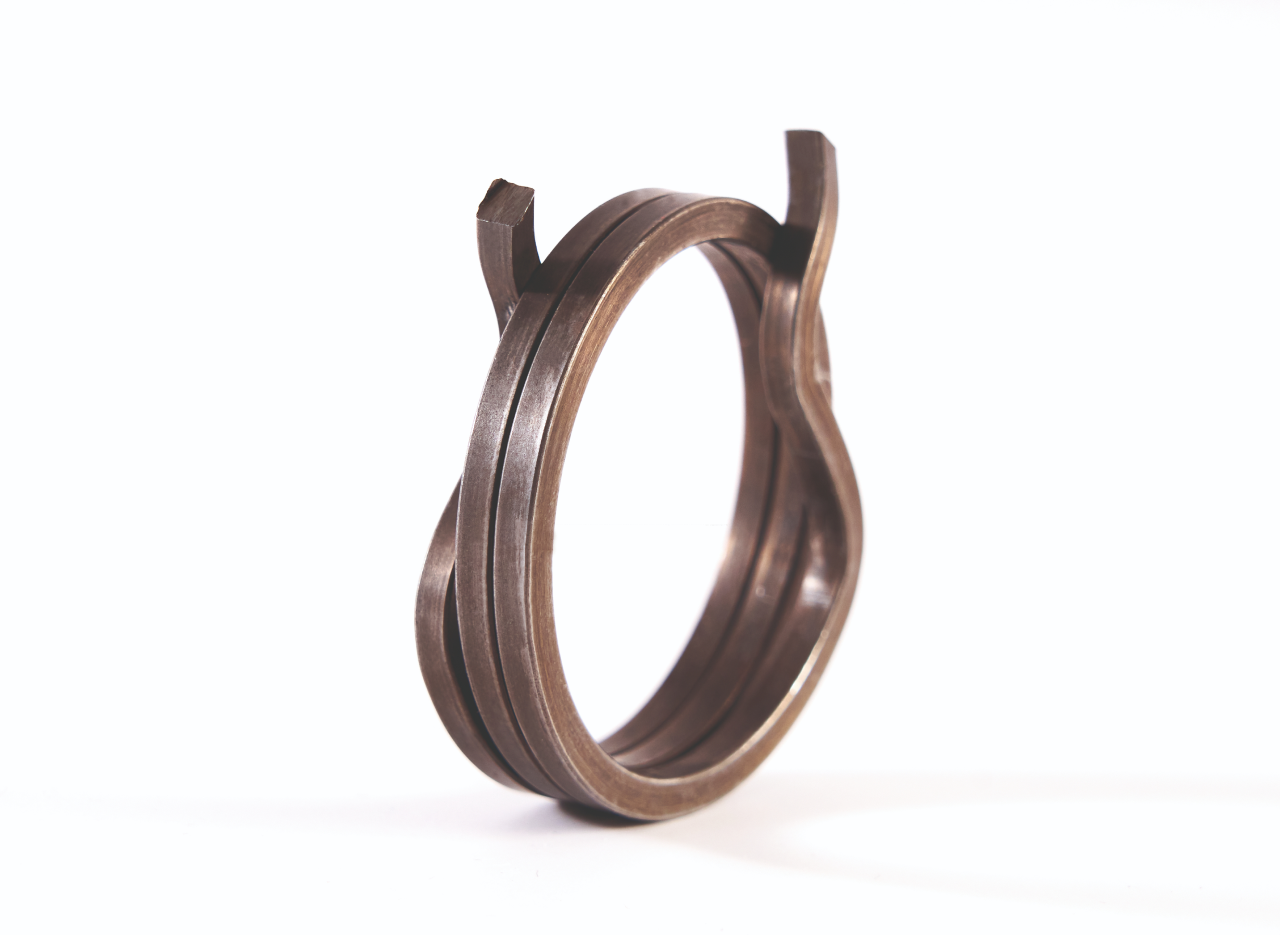
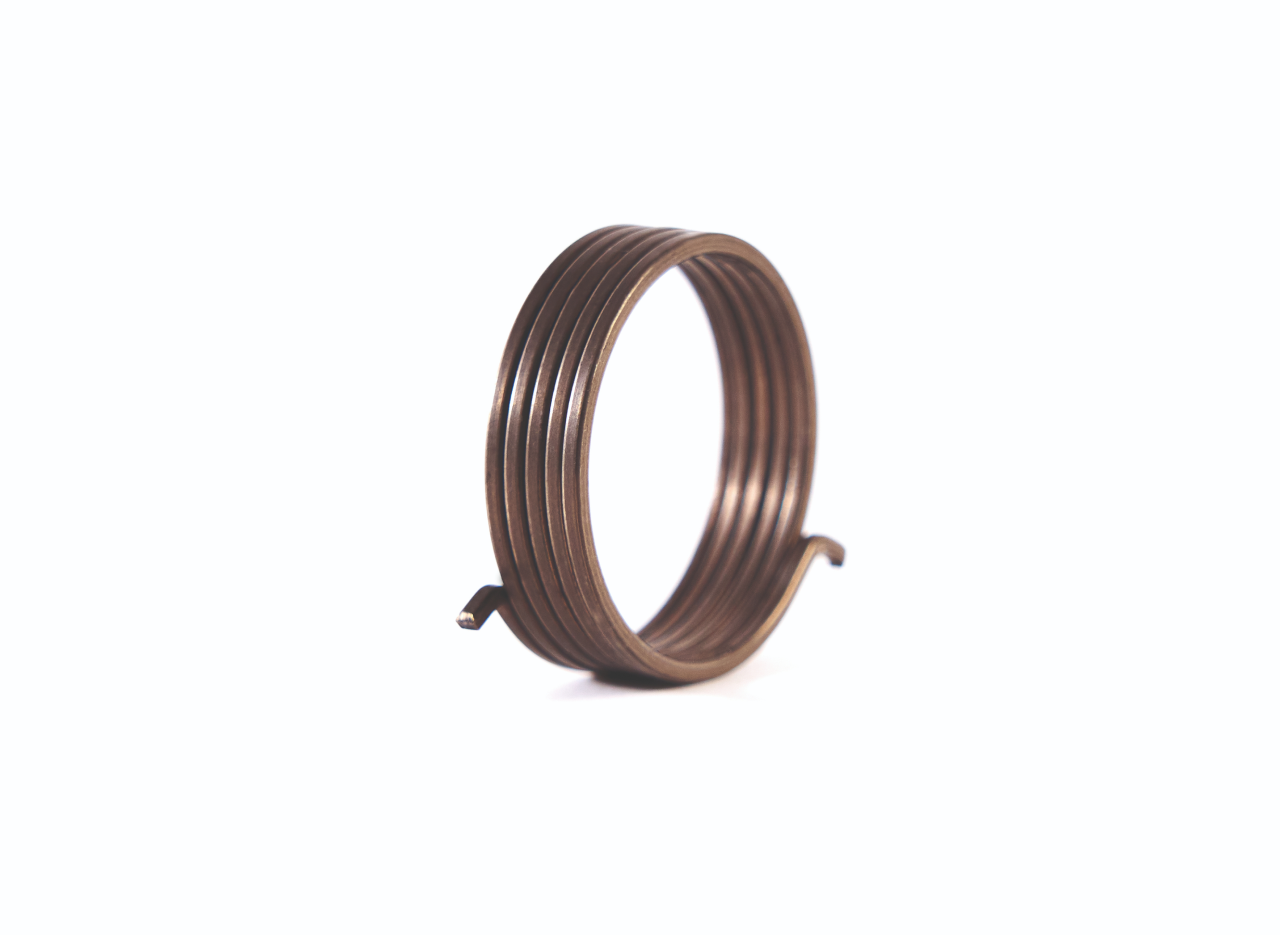
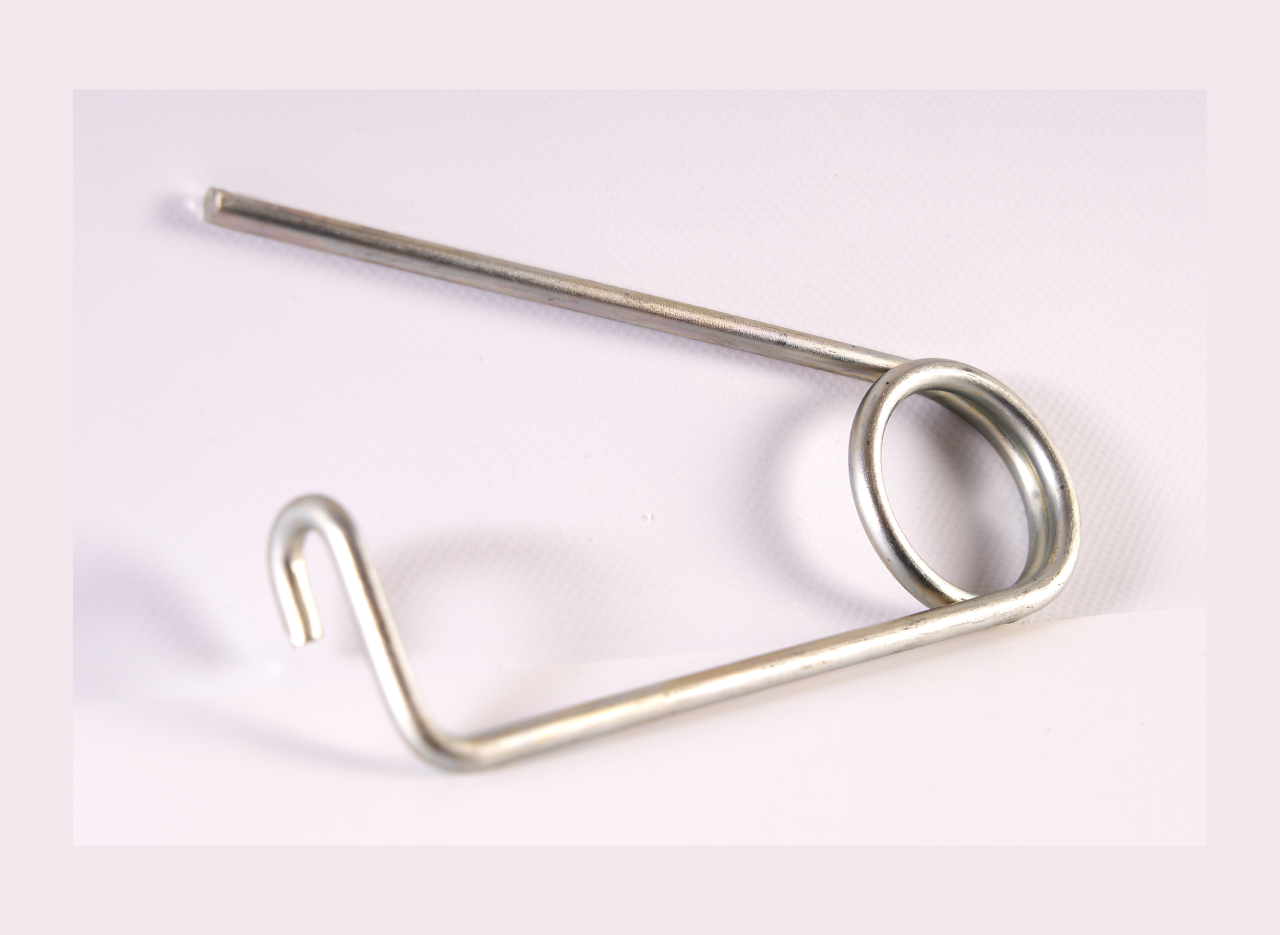
When one leg is rotated relative to the other, the spring attempts to return to its original angular position. The more it is rotated, the greater the force it exerts.
It is calculated based on the torque (moment), usually expressed in N/mm. Factors include wire diameter, inner diameter, number of coils and leg length.
It is the range of degrees through which the spring can rotate. It is vital not to exceed the maximum design angle to prevent breakage or loss of force.
You must know the required torque and the diameter of the shaft on which it will be mounted, as the spring reduces its inner diameter during operation.
Utilizamos cookies para mejorar tu experiencia de navegación, ofrecer anuncios o contenido personalizados y analizar nuestro tráfico. Al hacer clic en “Aceptar todo”, aceptas el uso de cookies.
Funcional
Always active
El almacenamiento o acceso técnico es estrictamente necesario para el propósito legítimo de permitir el uso de un servicio específico explícitamente solicitado por el abonado o usuario, o con el único propósito de llevar a cabo la transmisión de una comunicación a través de una red de comunicaciones electrónicas.
Preferencias
El almacenamiento o acceso técnico es necesario para la finalidad legítima de almacenar preferencias no solicitadas por el abonado o usuario.
Estadísticas
El almacenamiento o acceso técnico que es utilizado exclusivamente con fines estadísticos.El almacenamiento o acceso técnico que se utiliza exclusivamente con fines estadísticos anónimos. Sin un requerimiento, el cumplimiento voluntario por parte de tu proveedor de servicios de Internet, o los registros adicionales de un tercero, la información almacenada o recuperada sólo para este propósito no se puede utilizar para identificarte.
Marketing
El almacenamiento o acceso técnico es necesario para crear perfiles de usuario para enviar publicidad, o para rastrear al usuario en una web o en varias web con fines de marketing similares.